Showing posts with label PBM. Show all posts

Monday, 3 October 2016

Saving Blood; Strategies to Shatter Resistance


The evidence is clear: avoiding unnecessary transfusions saves lives and generates savings with clinical criteria. Nature echoes this aphorism in an article that collects research insisting that regarding blood transfusions less is more. This issue of blood is very awkward and contradictory. Not surprisingly, for modern nations, having a system of voluntary donation is a matter of pride. Many people believe it and when there is a disaster, the first reaction of many people is lining up to give blood. And it should be noted that the evidence favours the popular intuition: transfusions work better for the injured with major bleeding and for more complex patients, but can also be harmful for patients with smaller problems.

Transfusion = transplant?

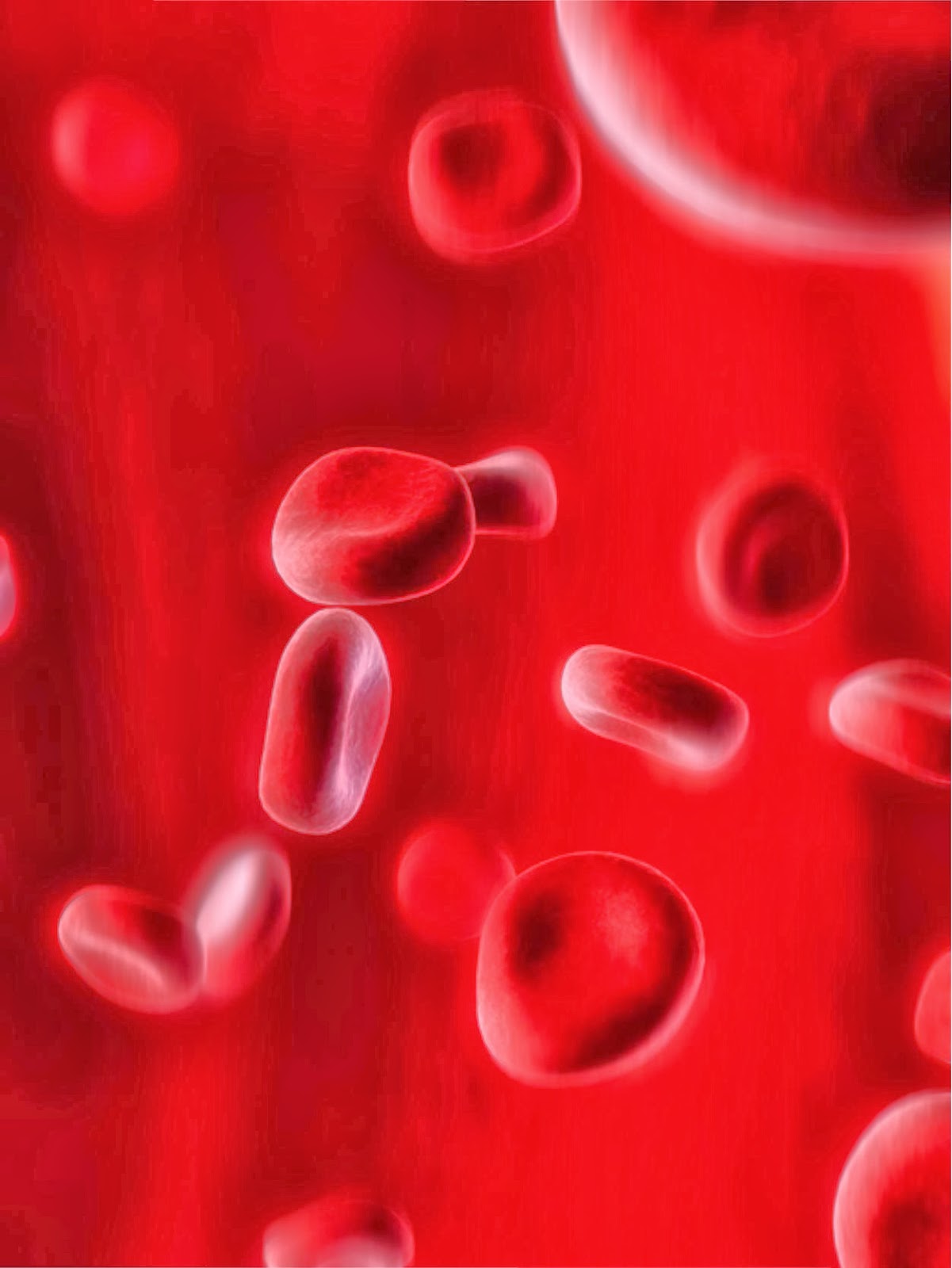
The transfused red blood cells have two problems: the first is that in the storage process they lose flexibility, which can make them less effective in transporting oxygen, and the second is that they are actually foreign cells containing antigens (beyond ABO and Rh) that arouse immunological reactions of varying intensities. On these physio-pathological issues, there is still not enough research, but many believe that the origin of the transfusion problems is in these two points.

Monday, 11 July 2016

Clinical management as a mechanism of change, according to Richard Bohmer


Richard Bohmer is a doctor, a professor at Harvard Business School and the author of "Designing Care". In his article, Fixing Health Care on the Front Lines, Bohmer defines the three pillars that should underlie modern clinical management, in short, these are: a) thoroughly implement the best practices, b) address the complex processes with mechanisms of trial and error, and c) learn from daily activity. "Almost none of the health organization is prepared to excel in these three pillars nowadays, says the author. In fact, most clinical services providers lack the capacity to adapt to the challenges imposed by science, innovation and social pressure, unlike what happens in other industries, constantly reengineering their models to suit the changing needs of their business core".

Rigorously implementing the best practices

The clinical practice guidelines (CPG) and the recommendations supported by strong evidence should translate in care routes (see Care Delivery Value Chain). Modern organizations know that the GPC are not only a matter regarding the medical profession, so they invest a lot of effort in the development of plans to make them feasible. Anyone even slightly concerned must be involved. Transforming a GPC into an operating process is equivalent with improving clinical effectiveness. Some examples: a) applying industrial methods to standard cardiac surgery processes at the Mayo Clinic, b) the myocardial codes and stroke codes that, in many regions, have been deployed with excellent results and c) development of organizational models that aim to reduce resistance to antibiotics (PROA) or to avoid unnecessary blood transfusions (PBM).

Addressing the complex processes with mechanisms of trial and error

A significant number of patients are suffering with pathologies that are not well known or show complexities resulting from a combination of clinical or even social circumstances that are difficult to manage. For these cases, the organizational response is teamwork which aims to find specific solutions while the actions will have to be adjusted by trial and error methods. Some examples: a) advancing the introduction of palliative care in cancer patients who are still following therapeutic healing guidelines, b) reconciling patient medication when transferring between hospital and primary care, and c) developing individualized therapeutic plans for complex chronic patients.

Learning from daily activity

The other day, in a class, I came across a few permanent and non-permanent markers and, as it happens, without realizing it, I ended up ruining the whiteboard. At the end of the class, I sincerely apologised to the head of the classroom and suggested that it would be a good idea, for the sake of their class boards, to withdraw the permanent markers, but the response I’ve got was one of those type "here we, always have done things this way". I assumed that they must go through a change of budgets in order to make changes in the classroom stationery. However to improve every day, is above all, a question of attitude. Some examples: a) in an office, faced with the fact that 20% of scheduled patients do not keep their appointment, a working group was created in order to analyse the causes and find solutions, b) in a hospital, ward nurses make proposals to be able to shift from intravenous to oral medications as soon as possible, regardless of the oversights of medical orders, and c) in an emergency department, they organize daily huddles to ensure that all the professionals can share their opinion on what happened that day and advance proposals to avoid the same problems reoccurring.

When we talk about structural reforms, I suspect that not everybody says the same thing. Many think of labour rights, or in financing or investment. These and other aspects are important, which is why the health care system has a recognized complexity. But make no mistake, only from the clinical management can the effectiveness and resource optimization can be improved. As Bohmer advocates, organizations, with doctors and nurses included, should apply best practices rigorously, should learn to make decisions as a team when the issues are peculiar and ought to have the appropriate attitude in order to change everyday things.


Jordi Varela
Editor

Monday, 13 April 2015

Saving blood = more quality, less morbidity, lower costs


A meta-analysis showed that restricting blood transfusions improved clinical outcomes and decreased mortality rates. With this data, one might ask: isn’t the blood safe enough? But when further exploring the scientific debate it becomes clear that this is not about safety but about clinical effectiveness and immunity adverse reactions not well known until now. It’s likely, experts say, that the transfused red cells have an impaired functional capacity due to the process of storage and then attacks the immune system. Instead, the guidelines of promoting the erythropoiesis can set in motion young and own red blood cells, which are highly competitive in functionality. According to a comment collected from a conference by Axel Hofmann: "Our own blood is still the best liquid that can run through our veins".

Having enough blood is, according to the work of Dr. Duran Jordà during the Spanish civil war, a cherished value that dignifies an evolved society, not in vain is considered the successful result of joining stubbornness and technical engineering. It’s probably for this reason that there is a widely held view, even among the professionals, that packaged blood is a cheap and safe product. But now, scientists warn us that we must be critical with the use of blood and they point out that blood transfusions can be much more expensive than indicated on the price tag, especially in terms of the derivatives on morbidity and mortality, which were little studied until now.