Monday, 27 April 2015

The hidden curriculum: a matter of clinical safety


Lown Institute, one of the organizations leading the movement "Right Care", is the author of this tweet that leads us to an article in the Health Affairs Journal, signed by Joshua M. Liao, a resident physician at Brigham and Boston Women's Hospital. Dr. Liao’s article speaks of the hidden curriculum concept described more than a decade ago by Frederic Hafferty, encompassing those masked values ​​conveyed through vocabulary, practices and habits, which end up having a powerful influence on the development of the trainees and, as such, even more than the diplomas contained in the formal curriculum.

Monday, 20 April 2015

Closing hospitals with a community spirit: is it possible?


This week we have a couple of tweets from Richard Smith, former Editor of the British Medical Journal. The first one which is quite persuasive; sends us to one of his articles published in The Guardian where he raises a controversy, since against all appearances, hospital beds have become, in political terms, prevention goods against the spending cuts. But the reality persists, says Mr. Smith, and however you may look at it, the number of hospital beds must be reduced, not to preserve health system resources but to strengthen community services. Closing hospital beds with a community spirit he says, takes talent, investment and time and doing things right. But if this is not done correctly the price can be very high, as treating people in hospitals when they could have been treated at home, is uncomfortable, dangerous and expensive.

Monday, 13 April 2015

Saving blood = more quality, less morbidity, lower costs


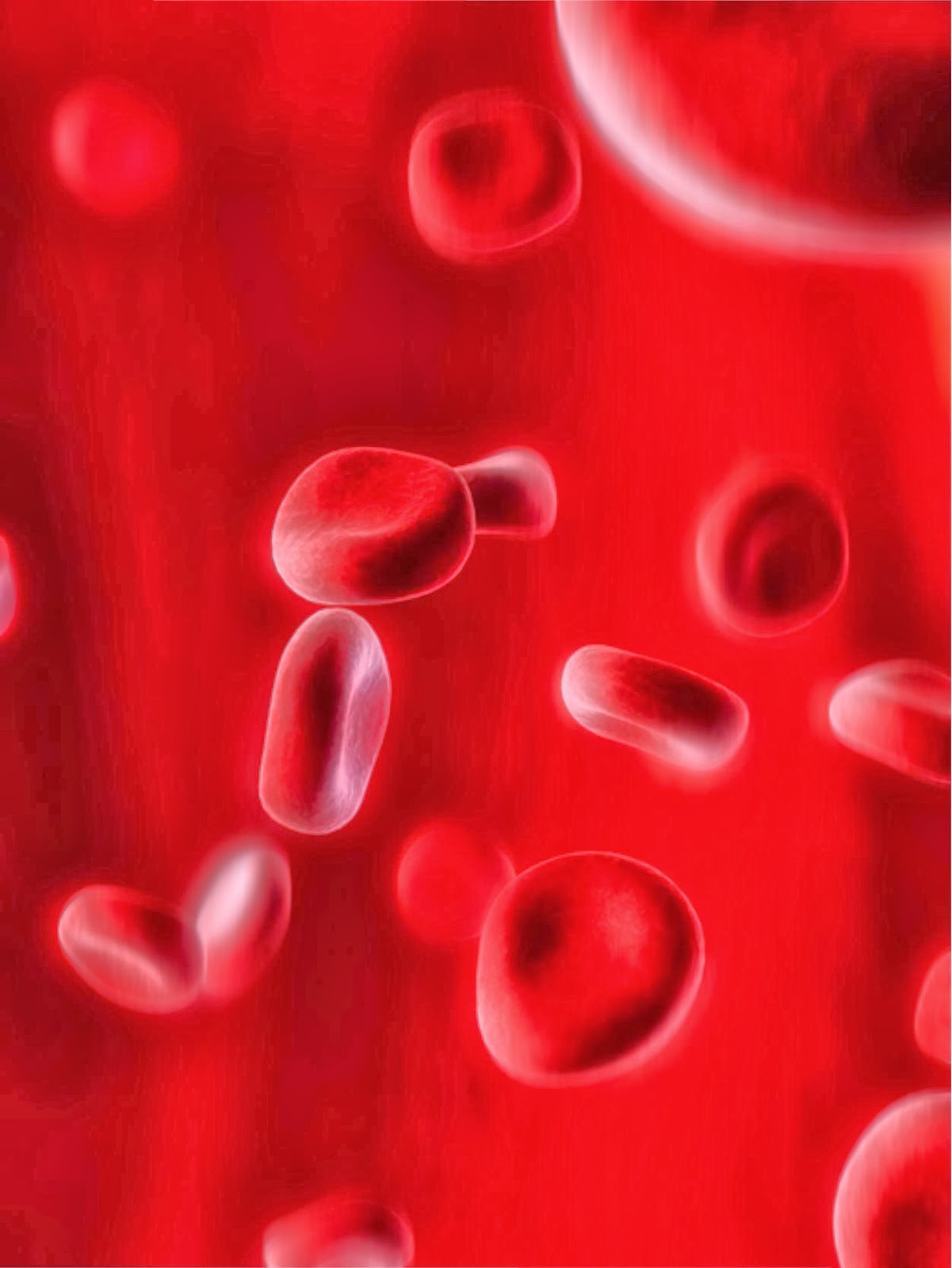
A meta-analysis showed that restricting blood transfusions improved clinical outcomes and decreased mortality rates. With this data, one might ask: isn’t the blood safe enough? But when further exploring the scientific debate it becomes clear that this is not about safety but about clinical effectiveness and immunity adverse reactions not well known until now. It’s likely, experts say, that the transfused red cells have an impaired functional capacity due to the process of storage and then attacks the immune system. Instead, the guidelines of promoting the erythropoiesis can set in motion young and own red blood cells, which are highly competitive in functionality. According to a comment collected from a conference by Axel Hofmann: "Our own blood is still the best liquid that can run through our veins".

Having enough blood is, according to the work of Dr. Duran Jordà during the Spanish civil war, a cherished value that dignifies an evolved society, not in vain is considered the successful result of joining stubbornness and technical engineering. It’s probably for this reason that there is a widely held view, even among the professionals, that packaged blood is a cheap and safe product. But now, scientists warn us that we must be critical with the use of blood and they point out that blood transfusions can be much more expensive than indicated on the price tag, especially in terms of the derivatives on morbidity and mortality, which were little studied until now.

Monday, 6 April 2015

Mental health: services integration is the key


A systematic review accompanied by a meta-analysis shows that the model Collaborative Chronic Care Models (CCMs), designed by Edward Wagner for chronic patients, offers a robust framework for service integration and may improve health outcomes in psychiatric patients, both mentally and physically.


Let's look in the following table at the components that the authors have used to identify projects that were based on CCMs model:

Monday, 30 March 2015

Overdiagnosis: in relation with pulmonary embolism


The introduction of computed tomographic pulmonary angiography (CTPA) for the diagnosis of pulmonary embolism, according to a study published in JAMA Internal Medicine (US data), has been associated with an increase of 80% in the incidence of pathology (from 62.1 to 112.3 per 100,000 population p<0.001), with a reduction in hospital mortality of 35% (from 12.1% to 7.8% p<0.001), which lamentably only has led to a decrease in mortality rates of 3% (from 12.3 to 11.9 deaths per 100,000 p=0.02) and also lamentably, an increase in presumed complications of anticoagulation therapy of 71% (from 3.1% to 5.3% per 100,000 p<0.001).

In the graph below, taken from the article, you can see the behaviour of the incidence of pulmonary embolism in relation to mortality, both population-based, comparing the 1993-1998 period, prior to the introduction of CTPA, with the subsequent one. The overall incidence (bright blue) includes all patients admitted to the hospital for any medical or surgical circumstance. The percentages represent average increases for each year (APC: Annual Percentage Change).


Monday, 23 March 2015

How to diagnose overdiagnosis

In a BMJ editorial, within the framework of the campaign "Too much medicine," Professor Paul Glasziou and editor Fiona Godlee, among others, spoke of the phenomenon of overdiagnosis and analysing their characteristics, and since this is a trending concept, I think it's a good idea to pay attention to it.

In a medicine previous to cancer screening programs as we know them today, people were diagnosed according to the appearance of the first symptoms. It was the visible tip of the iceberg. But as it was suspected that when the symptoms appeared, the illness simmered below the clinical perception for long time, it was believed it was necessary to develop diagnostic techniques to allow seeing the iceberg below the water, with the assumption that the sooner the pathological process in motion is detected the sooner is possible to act, therefore obtaining a better prognosis.

But now we can see that things did not fully go as intended. In general, we can affirm that thanks to screening programs forecasts have improved, but unfortunately the mortality rates are the same, and voices criticizing this rummaging through the invisible parts of the iceberg, have enough arguments to defend that while early diagnosis may detect many cases that perhaps wouldn’t have emerged at all, this is done at the expense of improving survival rates in an artificial way.

Monday, 16 March 2015

Aligning care objectives


In last week’s post, I was showing you the benefits of coordination and the difficulties of integration but only in terms of organizational models, of course. However, now I believe it’s time to enter another innermost level, the clinical process, and for this reason I want to emphasize that regardless of models, aligning care objectives is the key step to improving clinical outcomes. To illustrate what I mean, I thought of an example. Imagine an emergency doctor responding to a person suffocating and, as it can not be otherwise, his goal should be in reducing the clinical problem and helping the patient to recover his normal breathing as soon as possible. But if it turns out that the patient is a complex chronic, the issue is that the doctor should also bear in mind that his action should be performed by the wagnerian chronicity model: What are the circumstances of this patient? Does he live alone? How many relapses has he had lately? Is there a professional team that takes care of him continuously? Can I contact them? From the answers to these questions will depend that the undertaken actions after diuretics and oxygen, are really effective and that the system holistically is able to improve the quality of life of that person.

For those who are not used with the terminology and with the concepts of chronicity, allow me a brief reminder of the model "Chronic Care Model" attributed to Edward Wagner, Director Emeritus of McColl Centre for Health Care Innovation: